Any mistakes or inadequacies in this work are entirely my own, while all wisdom and knowledge belong to the sacred Guru lineage.
This information is drawn from the books Crux of Vedic Astrology: Timing of Events, Introduction to Vedic Astrology, and Narayana Dasa by Sanjay Rath.
Your Soul’s GPS: A Detailed Guide to Finding Your “Ishta Devata”
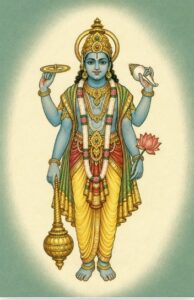 In the profound spiritual framework of Vedic Astrology, the Ishta Devata is the “Guiding Deity” of the soul, acting as a spiritual GPS that directs an individual toward Moksha (final emancipation). While many deities are worshipped for material gains or worldly success, the Ishta Devata’s sole purpose is to help the soul shed its “false ego” and rejoin the ultimate consciousness.
1. The Starting Point: Locating the Karakamsa
To find your Ishta Devata, you must first identify the Karakamsa.
- Identify the Atmakaraka (AK): This is the planet (excluding Ketu) with the highest longitude in your birth chart. It represents the soul and its deepest desires.
- Find the Navamsa Sign: Note the sign occupied by this Atmakaraka in the Navamsa (D-9) divisional chart. This sign is known as the Karakamsa.
2. The Coordinates of Liberation: The 12th House
The Ishta Devata is determined by the planetary influences on the twelfth house from the Karakamsa. The 12th house is the house of “self-undoing,” representing the point where the soul relinquishes its earthly identity and attachments.
To determine which planet represents the Ishta Devata, use this hierarchy of strength:
- Planets in the 12th from Karakamsa: If a planet is placed there, it takes precedence. If multiple planets are present, the one with the highest longitude is the strongest.
- Planets Aspecting the 12th House: If the house is empty, look for planets providing Rasi Drishti (sign aspect) to that sign.
- The Lord of the Sign: If no planets are placed in or aspect the 12th house, the lord of the 12th sign from the Karakamsa becomes the significator for the Ishta Devata.
3. The Divine Avatars: Planet-to-Deity Mapping
According to the sources, the Ishta Devata manifests through the Visnu Avatars corresponding to the strongest planet identified above. This alignment ensures the soul is guided by the Akasha Tatwa (all-pervading ether), which is the essence of the sustainer, Lord Visnu.
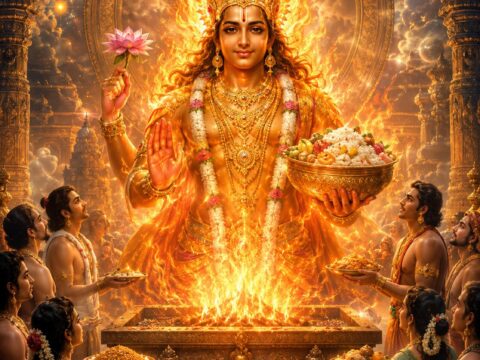
- Sun: Lord Rama
- Moon: Lord Krishna
- Mars: Lord Narasimha
- Mercury: Lord Buddha
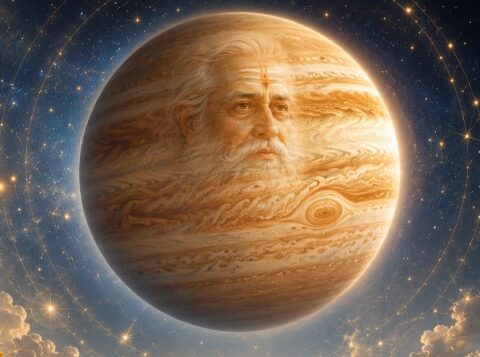
- Jupiter: Lord Vamana
- Venus: Lord Parashurama
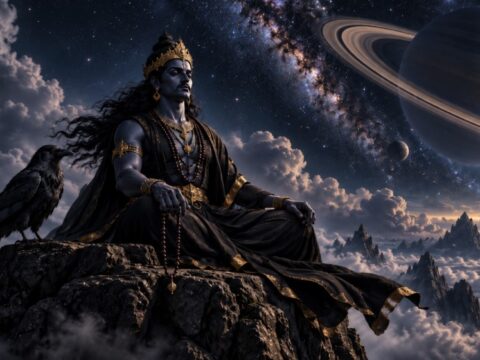
- Saturn: Lord Kurma
- Rahu: Lord Varaha
- Ketu: Lord Matsya
4. The Significance of Ketu and Specific Signs
Special spiritual markers can indicate a soul that is near the end of its karmic cycle:
- The Agent of Liberation: If Ketu, the natural significator of Moksha, is placed in the 12th or 9th house from the Karakamsa, it indicates that the soul is in the final stages of its search for emancipation.
- Spiritual Signs: If the 12th house from Karakamsa falls in the signs Pisces or Cancer, the spiritual influence on the native is considered exceptionally powerful.
5. Distinguishing the Path: Ishta vs. Dharma Devata
It is vital to distinguish your soul’s GPS from your worldly guide:
- Dharma Devata (9th from Karakamsa): This deity helps you attain the ideals, objectives, and duties of your nature in your current life.
- Ishta Devata (12th from Karakamsa): This deity is concerned only with your journey beyond birth and death.
Conclusion: Activating the GPS
Once the Ishta Devata is identified, traditional practice advises focusing on the deity through Dvadashakshari (twelve-letter) mantras. This practice is intended to refine the native’s intelligence and steer their life voyage toward the highest spiritual ideal, ensuring that even amidst the illusions of the material world, the soul remains anchored to its ultimate destination.