ॐ गुरवे नमः
This article is inspired by Bṛhat Nakshatra book by Pandit Sanjay Rath. All knowledge belongs to the Guru; any errors or omissions in interpretation are entirely mine.
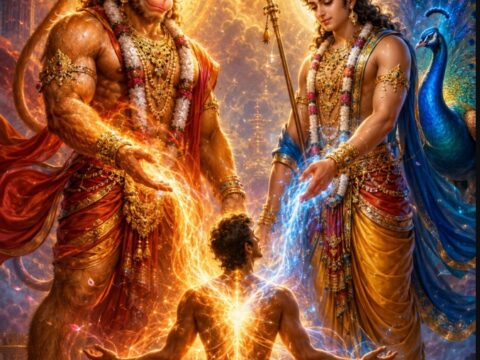
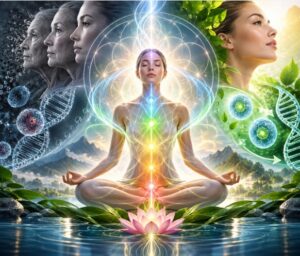 The Aśvinī Kumāras, known individually as Nāsatya and Dasra, are the celestial physicians and the primordial lords of the Aśvinī nakṣatra. Their genesis is a profound symbol of the intersection between consciousness and physical vitality, born from the union of Sūrya (the Sun) and Sanjñā (Knowledge). In the sacred Puranic accounts, the twins were conceived in the desert of Maru while their parents took the form of horses, manifesting their identity as Hayāśiras—the horse-headed healers.
In the Vedic architecture of the human body, Aśvinī governs the head and the cranium, serving as the gateway for new beginnings. They are the keepers of the life force, holding the specific siddhis required to arrest decay and infuse the biological structure with fresh vitality. Their role marks the junction where pure knowledge (Agni) provides the necessary “blueprint” for the physical manifestation of life.
The capacity for total medical rejuvenation is exemplified in the history of Sage Cyāvana. The legend recounts how the aged and ascetic sage was accidentally blinded by Sukanyā. To rectify this and demonstrate the power of the first nakṣatra, the Aśvinī Kumāras appeared and prepared a medicinal herbal pond imbued with celestial potency.
By submerging himself into this sacred water alongside the twins, Cyāvana underwent a total transformation of his sthūla śarīra (physical body). He emerged from the pond not only with his sight restored but fully rejuvenated, possessing a handsome, youthful form. This Puranic lesson establishes Aśvinī’s unique jurisdiction over the restoration of “lost faculties,” proving that through the science of the twins, even the most degraded physical structures can be rebuilt to their original perfection.
The Aśvinī Kumāras are seekers of the highest esoteric knowledge, specifically Brahmā Vidyā—the science of immortality and creation. Historically, Indra, the king of the devas, forbade the twins from consuming the Soma nectar, arguing that their practice of Ayurveda (an Upaveda) as physicians made them ineligible for the highest sacrifices.
To gain this forbidden wisdom, the twins approached Sage Dadīci. Because Indra had threatened to behead anyone who imparted this knowledge, the twins performed a miraculous surgical feat: they replaced Dadīci’s head with that of a horse (Aśvaśiras). Through this horse-head, the sage taught them the secrets of Brahmā Vidyā. When Indra subsequently struck off the horse-head with his vajra, the twins restored Dadīci’s original head. During this period of celestial tension, Sage Cyāvana employed the Bagalāmukhī paralyzing mantra to freeze Indra’s thunderbolt, eventually forcing the recognition of the twins’ right to the Soma.
The name “Nāsatya” is a mantra of linguistic and physiological depth, providing three distinct derivations that reveal the nature of the twin physicians:
- Na + Asatya (“Not untruth”): This connects to Dvaita philosophy. It represents the rejection of the illusion (Māyā) of decay, focusing on the underlying reality of health and form.
- Nā + Satya (“No truth”): This aligns with Advaita philosophy. It points toward the transcendence of all temporary “truths” of the material world, reaching the absolute consciousness that precedes the body.
- Nāsa + Tya (“Nostril/Breathing”): This is the physical mechanism of the science. It establishes the Aśvinī Kumāras as the lords of the breath. Control of prāṇa through the nostrils is the primary conduit through which the physicians interact with the brain and sustain life.
In the science of Nakṣatra Tattva, Aśvinī is the first of the five elements within the Pṛthvī Tattva (Earth) group. It is vital to understand the relationship between the elements here: Agni (Fire) is the “cause of form,” while Pṛthvī (Earth) “defines the form.” Aśvinī possesses a dominance of Agni, meaning it holds the foundational knowledge required to create a physical structure.
The two physicians possess specialized roles in the rejuvenation of the human system:
- Nāsatya: Rules specifically the rejuvenation of the brain and the intellect.
- Dasra: Rules specifically the rejuvenation of the liver and the physical body.
This nakṣatra is the primary indicator for organ rejuvenation and recovery from invasive surgical procedures. The mechanism of healing is akin to the regeneration of a lizard’s tail. Rejuvenation is possible because the “astral body” (Linga Sharira) continues to exist even if a physical limb or organ is destroyed. The Agni of Aśvinī uses this astral blueprint to rebuild the physical form, allowing the body to grow back into its “normal shape.”
Successful rejuvenation requires the careful assessment of the Lunar Nodes, which act as the primary inhibitors of healing:
- Rāhu: Representing a “head without a trunk,” Rāhu causes the loss of body parts or limbs and prevents their physical recovery.
- Ketu: Functioning as a “headless graha,” Ketu causes the loss of head-functions or the inability of the sense organs to rejuvenate.
For healing to manifest, Sūrya (the Sun) and Guru (Jupiter) must be exceptionally strong, with the Nodes placed under check.
The wisdom of Aśvinī teaches us that anti-aging is the practical application of Agni (Knowledge) to the Pṛthvī (Form). Longevity is not a matter of chance, but of maintaining the integrity of the astral blueprint. By utilizing medicinal herbal baths—modern applications of Cyāvana’s sacred pond—and the strict mastery of prāṇa through the nostrils, the “Twin Physicians” offer a path to restore lost faculties and maintain the body against the tides of time. In the Vedic view, so long as the breath flows and the Agni of knowledge remains bright, the potential for rejuvenation is never truly lost.
ॐ शांति शांति शांति


How to know whether rahu- ketu will inhibit the healing? How to make surya, guru exceptionally strong so they ensure timely healing?
Sūrya and Agni govern the astral body, which directs the physical body’s ability to regenerate tissues, organs, and faculties. The lunar nodes act as major disruptors to this process:
How to diagnose if they are inhibiting recovery:
1. Check if natal or transiting Rāhu/Ketu afflict Aśvinī Nakṣatra (the primary star of organ rejuvenation), the Lagna, Lagna Lord, or the 8th house (which rules organ rejuvenation and chronic illness).
2. Check if Rāhu or Ketu are uncontrolled (lacking the grace or aspect of natural benefics like Guru or the vitalizing rays of Sūrya).
3. When Rāhu/Ketu dominate the active dāśā or key health houses while Sūrya and Guru are weak, cellular regeneration stalls, leading to misdiagnoses, chronic complications, or halted recovery.
Can we strengthen brihaspati day in day out? What are the maximum remedies we can do to strengthen surya and brihaspati and make their results positive?
Remedies are mentioned in Sanjay Rath’s book on Brhat Nakshatra
Where can we study about cyavana’ s sacred pond? How can one strictly master the prana through the nostrils?
Details about this are mentioned in Sanjay Rath’s book on Brhat Nakshatra
Thank you so much
The book is unavailable for purchase online, do you recommend any particular place to buy from?
It will be available soon kindly wait for sometime