Written by ShivKaDaas
ॐ वैदेह्यै नमः
Maharṣi Vālmīki Rāmāyaṇa. Uttar Kāṇḍa. Chapter 95. Śloka 13
Śrī Rāma says:
भगवन्तः सशिष्या वै सानुगाश्च नराधिपाः ।
पश्यन्तु सीताशपथं यश्चैवान्योपि कांक्षते ॥ १३॥
bhagavantaḥ saśiṣyā vai sānugāś ca narādhipāḥ |
paśyantu Sītāśapathaṃ yaś caivānyo ’pi kāṅkṣate || 13 ||
Let the venerable ones together with their disciples, indeed, and the kings together with their followers, behold Sītā’s oath, and whoever else indeed desires (to do so).
Comment: Notice these words of Mahārāja Śrī Rāma very carefully. He doesn’t waste the words.
Maharṣi Vālmīki Rāmāyaṇa. Uttar Kāṇḍa. Chapter 96. Śloka 1
तस्यां रजन्यां व्युष्टायां यज्ञवाटं गतो नृपः ।
ऋषीन् सर्वान् महातेजाः शब्दापयति राघवः ॥ १ ॥
tasyāṃ rajanyāṃ vyuṣṭāyāṃ yajñavāṭaṃ gato nṛpaḥ |
ṛṣīn sarvān mahātejāḥ śabdāpayati rāghavaḥ || 1 ||
When that night had dawned and passed, the king went to the sacrificial enclosure. The highly radiant Raghava (Śrī Rama) called upon all the sages.
Comment: Note that only Ṛṣis were called by Śrī Rāma next day. Same chapter Ślokas 2-6 list the Ṛṣis who came. Śrī Rāma called everyone at yajna area.
यज्ञवाट = the sacrificial enclosure; the sacrificial ground
Maharṣi Vālmīki Rāmāyaṇa. Uttar Kāṇḍa. Chapter 96. Śloka 7,8,15
राक्षसाश्च महावीर्या वानराश्च महाबलाः ।
सर्व एव समाजग्मुर्महात्मानः कुतूहलात् ॥ ७ ॥
क्षत्रिया ये च शूद्राश्च वैश्याश्चैव सहस्नशः |
नानादेशगताश्चैव ब्राह्मणाः संशितव्रताः ॥ ८ ॥
ततो मध्ये जनौघस्य प्रविश्य मुनिपुङ्गवः ।
सीतासहायो वाल्मीकिरिति होवाच राघवम् ॥ १५ ॥
rākṣasāśca mahāvīryā vānarāśca mahābalāḥ |
sarve eva samājagmurmahātmānaḥ kutūhalāt || 7 ||
kṣatriyā ye ca śūdrāś ca vaiśyāś caiva sahasraśaḥ |
nānādeśagatāś caiva brāhmaṇāḥ saṃśitavratāḥ || 8 ||
tato madhye janaughasya praviśya munipuṅgavaḥ |
Sītāsahāyo Vālmīkir iti hovāca Rāghavam || 15 ||
And demons of great valor and Vanaras of great strength, all great souls indeed gathered out of curiosity.
And kṣatriyā, and śūdrāś, and vaiśyāś indeed by thousands, and brāhmaṇs of strict vows who came from various countries.
Then, having entered into the midst of the great multitude of people, the foremost among sages, Vālmīki, accompanied by Sītā, thus spoke to Śrī Rāghava.
Comment: Note that it is mentioned in Śloka 1 that only Ṛṣis were called by Śrī Rāma and not any body else. So clearly a multitude of people came who wanted to witness Oath of Maa Sītā. This raises a BIG QUESTION.
Also note that a lot of people were present at the time of Her Agni Pravesha (Maharṣi Vālmīki Rāmāyaṇa. Yuddha Kāṇḍa. Chapter 96. Śloka 30 जनश्च॒ सुमहांस्तत्र बालवृद्धसमाकुलः।). So clearly this was the 2nd time when She was expected to prove Her purity. Now the question arises when Śrī Rāma Himself said that Sītā is pure then why did such a huge crowd came to witness Maa Sītā’s oath. It is as if they did not believe Mahārāja Śrī Rāma and wanted to witness oath of Maa Sītā.
Is there anyone in this universe who can test purity of Maa Sītā? To test anybody, you need to be at a higher standard than the person who is being tested. Purity higher than Maa Sītā doesn’t exist. Mahārāja Śrī Rāma was not testing Maa Sītā (Śloka 13). Rather it was a test of Prajā to prove that they deserve mother like Maa Sītā and clearly entire Prajā failed. Mahārāja Śrī Rāma gave an option to Prajā and said “whoever else indeed desires” and did not force anybody to come. Ideally not a single person from Prajā should have come for this.
Maharṣi Vālmīki Rāmāyaṇa. Uttar Kāṇḍa. Chapter 97. Śloka 2 and 10
Śrī Rāma says:
एवमेतन्महाभाग यथा वदसि धर्मवित् |
प्रत्ययस्तु मम ब्रह्मंस्तव वाक्यैरकल्मषैः ॥ २ ॥
प्रत्ययो मे सुरश्रेष्ठ ऋषिवाक्यैरकल्मषैः ।
शुद्धायां जगतो भध्ये वैदेह्यां प्रीतिरस्तु मे ॥ १० ॥
evametanmahābhāga yathā vadasi dharmavit |
pratyayastu mama brahmaṁstava vākyairakalmaṣaiḥ || 2 ||
pratyayo me suraśreṣṭha ṛṣivākyairakalmaṣaiḥ |
śuddhāyāṁ jagato badhye vaidehyāṁ prītirastu me || 10 ||
Thus it is, O greatly fortunate one, as you speak, O knower of dharma. But my certainty is, O Brāhmaṇa, through your stainless words.
My certainty is, O best of the gods, through the stainless words of the ṛṣis. Let there be affection for Vaidehī, when she is purified, in the midst of the world.
Comment: Śrī Rāma clearly said that Sītā is absolutely and completely pure and He said it in front of Ṛṣis (and their disciples) and King (and their followers).
Maharṣi Vālmīki Rāmāyaṇa. Uttar Kāṇḍa. Chapter 97. Śloka 6-91/2
अभिप्रायं तु विज्ञाय रामस्य सुरसत्तमाः ।
सीतायाः शपथे तस्मिन् महेन्द्राद्या महौजसः ॥ ६ ॥
पितामहं पुरस्कृत्य सर्व एव समागताः ॥
आदित्या वसवो रुद्रा विश्वेदेवा मरुद्गणाः ॥ ७ ॥
साध्याश्च देवाः सर्वे ते सर्वे च परमर्षयः ।
नागाः सुपर्णाः सिद्धाश्च ते सर्वे दृष्टमानसाः ॥ ८ ॥
सीताशपथसम्भ्रान्ताः सर्व एव समागताः ॥
abhiprāyaṃ tu vijñāya rāmasya surasattamāḥ |
sītāyāḥ śapathe tasmin mahendrādyā mahaujasaḥ || 6 ||
pitāmahaṃ puraskṛtya sarva eva samāgatāḥ |
ādityā vasavo rudrā viśvedevā marudgaṇāḥ || 7 ||
sādhyāś ca devāḥ sarve te sarve ca paramarṣayaḥ |
nāgāḥ suparṇāḥ siddhāś ca te sarve dṛṣṭamānasāḥ || 8 ||
sītāśapathasambhrāntāḥ sarva eva samāgatāḥ ||
The intention indeed having understood of Śrī Rama, the best of gods, at that oath of Sītā, Mahendra and others, of great energy, having preceded the (पितामह Brahmā), all indeed arrived together.
The Ādityas, the Vasus, the Rudras, the Viśvedevas, the group of the Maruts, the Sādhya gods, all the gods, the great sages, the Nāgas, the Suparṇas, and the Siddhas—all of them, with their minds intent upon witnessing the event, deeply moved by Sītā’s oath, all indeed arrived together.
Comment: This shows various mantras recitation (of these Devtas) before the Yajña.
Adhyatma Rāmāyaṇa Sarga 7
प्रजाः समागमन्हृष्टाः सीता कौशेयवासिनी ।
उदङ्मुखी ह्यधोदृष्टिः प्राञ्जलिर्वाक्यमब्रवीत् ।। ३९ ।।
prajāḥ samāgamanhṛṣṭāḥ sītā kauśeyavāsinī |
udaṅmukhī hyadhodṛṣṭiḥ prāñjalirvākyamabravīt || 39 ||
The people gathered in great joy. Clad in fine silk, with her head facing North, her eyes cast downward, and her hands folded in reverence, Sītā spoke these words:
Comment: Note that She faced north. This statement will be used later in this document.
Maharṣi Vālmīki Rāmāyaṇa. Uttar Kāṇḍa. Chapter 97. Śloka 14-16
यथाहं राघवादन्यं मनसापि न चिन्तये ।
तथा मे माधवी देवी विवरं दातुमर्हति ॥ १४ ॥
मनसा कर्मणा वाचा यथा रामं समर्चये ।
तथा मे माधवी देवी विवरं दातुमर्हति ॥ १५ ॥
यथैतत् सत्यमुक्तं में वेद्मि रामात् परं न च ।
तथा मे माधवी देवी विवरं दातुमर्हति ॥ १६ ॥
yathāhaṃ rāghavād anyaṃ manasāpi na cintaye |
tathā me mādhavī devī vivaraṃ dātum arhati || 14 ||
manasā karmaṇā vācā yathā rāmaṃ samarcaye |
tathā me mādhavī devī vivaraṃ dātum arhati || 15 ||
yathaitat satyam uktaṃ me vedmi rāmāt paraṃ na ca |
tathā me mādhavī devī vivaraṃ dātum arhati || 16 ||
If I do not think even in my mind of anyone other than Śrī Rāghava, then may the goddess Mādhavī grant me an opening (in the earth).
If I worship Śrī Rāma in thought, in deed, and in speech, then may the goddess Mādhavī grant an opening to me.
If this has been spoken by me truthfully, and I know no one other than Śrī Rāma, then may the goddess Mādhavī grant an opening to me.
Comment: Lets try to find the meaning of few words here:
- माधवी देवी (Mādhavī devī):
Vishnu Puran 1.4.20
पृथिव्युवाच (Pṛthivy uvāca) to Śrī Varaha:
त्वन्मयाहं त्वदाधारा त्वत्सृष्टा त्वत्समाश्रया ।
माधवीमिति लोकोऽयमभिधत्ते ततो हि माम् || 20 ||
tvanmayāhaṃ tvadādhārā tvatsṛṣṭā tvatsamāśrayā |
mādhavīm iti loko ’yam abhidhatte tato hi mām || 20 ||
I am pervaded by You, supported by You, created by You, and dependent upon You. Therefore, this world indeed calls me ‘Mādhavī.
- विवरं (vivaraṃ): Various meanings of this word are:
- Opening / aperture — an opening, hole, cavity
- Hole / pit — a hole in the ground or an opening into the earth
- Passage / entrance — an opening through which one may enter or pass
- दातुमर्हति (dātum arhati): ought to give
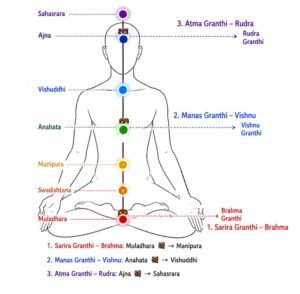
Mādhavī is the माध्यम् (mādhyaṃ) for us to reach Mādhava. Without our human body, how will we do bhakti of Nārāyaṇa. Here Maa Sītā is referring Śarīra as Mādhavī Devi who holds our soul. She is asking for 3 holes to exit from this body. She is in such an extreme pain that She does not want to live and Her soul wants to leave Her body. Note that She asked 3 times probably indicating 3 holes → three granthi ब्रह्मग्रन्थि(Brahma Granthi), विष्णुग्रन्थि(Viṣṇu Granthi) and रुद्रग्रन्थि(Rudra Granthi). Also note that to pierce these granthis, She used names of Śrī Rāma.
Adhyatma Ramayan Sarga 7
रामादन्यं यथाहं वै मनसापि न चिन्तये ।
तथा मे धरणी देवी विवरं दातुमर्हति ॥ ४० ॥
rāmādanyaṃ yathāhaṃ vai manasāpi na cintaye |
tathā me dharaṇī devī vivaraṃ dātumarhati || 40 ||
As truly as I have never thought of any man other than Śrī Rāma, even in my mind, so may Goddess Earth grant me a passage into her depths!
Comment: She also referred Suṣumnā Nadi as Dharaṇī devī here. Because Dharaṇī devī is Suṣumnā. Vedic reference to this statement is given below in analysis of Maharṣi Vālmīki Rāmāyaṇa. Uttar Kāṇḍa. #97 Śloka 19.
Maharṣi Vālmīki Rāmāyaṇa. Uttar Kāṇḍa. Chapter 97. Śloka 17
तथा शपन्त्यां वैदेह्यां प्रादुरासीत् तदद्भुतम् ।
भूतलादुत्थितं दिव्यं सिंहासनमनुत्तमम् ॥ १७ ॥
tathā śapantyāṃ Vaidehyāṃ prādurāsīt tad adbhutam |
bhūtalād utthitaṃ divyaṃ siṃhāsanam anuttamam || 17 ||
Thus, while Vaidehī was taking the oath, that wonderful, divine, unsurpassed throne, having arisen from the surface of the earth, appeared.
Adhyatma Ramayan Sarga 7
तथा शपन्त्याः सीतायाः प्रादुरासीन्महाद्भुतम् ।
भूतलाद्दिव्यमत्यर्थं सिंहासनमनुत्तमम् ॥ ४१ ॥
tathā śapantyāḥ sītāyāḥ prādurāsīnmahādbhutam |
bhūtalāddivyamat yarthaṃ siṃhāsanamanuttamam || 41 ||
And as Sītā was making that oath, a supreme, exceedingly divine throne miraculously appeared from the surface of the earth.
Comment: Word used here is bhūtala. Maharṣi Vālmīki did not say that it appeared from under the ground.
भूतलादुत्थितम् (bhūtalād utthitaṃ) = Risen from the ground/surface of the earth.
दिव्यं सिंहासन (divyaṃ siṃhāsanam) = It doesn’t mean a physical divine throne came up. We know that it is not possible practically. Throne doesn’t come up from the beneath of the surface of the earth. It indicates that a place on earth (सिंहासन) was chosen by Maa Sītā to sit down for (दिव्य) yoga kriya.
Maharṣi Vālmīki Rāmāyaṇa. Uttar Kāṇḍa. Chapter 97. Śloka 18
ध्रियमाणं शिरोभिस्तु नागैरमितविक्रमैः ।
दिव्यं दिव्येन वपुषा दिव्यरत्नविभूषितैः ॥ १८ ॥
dhriyamāṇaṃ śirobhistu nāgairamitavikramaiḥ |
divyaṃ divyena vapuṣā divyaratnavibhūṣitaiḥ || 18 ||
Being borne upon the heads of Nāgas of boundless prowess, [it was] divine, with divine bodies, [and] adorned with divine jewels.
Adhyatma Ramayan Sarga 7
नागेन्द्रैर्धियमाणं च दिव्यदेहै रविप्रभम् ।
भूदेवी जानकीं दोर्भ्यां गृहीत्वा स्नेहसंयुता ॥ ४२ ॥
स्वागतं तामुवाचैनामासने संन्यवेशयत् ।
सिंहासनस्थां वैदेहीं प्रविशन्तीं रसातलम् ॥ ४३ ॥
nāgendrairdhriyamāṇaṃ ca divyadehai raviprabham |
bhūdevī jānakīṃ dorbhyāṃ gṛhītvā snehasaṃyutā || 42 ||
svāgataṃ tāmuvācaināmāsane saṃnyaveśayat |
siṃhāsanasthāṃ vaidehīṃ praviśantīṃ rasātalam || 43 ||
Borne by majestic Serpent-Lords with divine forms and shining like the sun, Goddess Earth emerged. Filled with deep affection, Bhumi Devi took Janaki in her arms, welcomed Her warmly, and seated Her upon that throne. Thus seated on the throne, Vaidehi began Her descent into the earth (Rasātala).
Comment:
नागैरमितविक्रमैः = It refers to the Iḍā, Piṅgalā and Suṣumṇā as Nāgas. It is indicating that Kuṇḍalinī Nāga has woken up.
भूदेवी = Suṣumṇā (See the comments in next Maharṣi Vālmīki Śloka)
दोर्भ्यां = Two hands (Iḍā and Piṅgalā). (See the comments in next Maharṣi Vālmīki Śloka)
दिव्यरत्नविभूषितैः = It means that the throne was adorned with the jewels of 6 Divine Chakras. Nāga holds the throne on the head because Kuṇḍalinī is taking rest in the Mūlādhāra. So here Siṃhāsana is the body of the sādhaka placed on the earth and Nāgas are holding on the Siṃhāsana (entire body placed on ground) which is adorned by the jewels (Chakras in the body).
There are two parts to any Simhasana:
- Prabhavali (or Prabhawal): The decorative ornament backdrop of the throne. It represents divine radiance and aura. Here it is represented by divine chakras of Maa Sītā.
- Asana / Peeta: The main seat or flat base platform where the king or deity idol rests. This was the earth surface here which was chosen by Maa Sītā
Maharṣi Vālmīki Rāmāyaṇa. Uttar Kāṇḍa. Chapter 97. Śloka 19
तस्मिंस्तु धरणी देवी बाहुभ्यां गृह्य मैथिलीम् ।
स्वागतेनाभिनन्द्यैनामासने चोपवेशयत् ॥ १९॥
tasmiṃstu dharaṇī devī bāhubhyāṃ gṛhya maithilīm |
svāgatenābhinandyaināmāsane copaveśayat || 19 ||
Then, upon that [seat], Goddess Earth, taking Maithili with both arms, greeting her with welcome, seated [Her] on the seat.
Comment:
āsane = means “on a seat” (locative case of āsana).
The text states that Goddess Earth seated Maithili (Sītā) upon the seat/throne. It does not say that Goddess Earth sat down next to Her; Earth was the one doing the placing (upaveśayat – seated).
It indicates that Dharaṇī (Suṣumnā) is lifting Kuṇḍalinī with the support of two hands (Iḍā and Piṅgalā). Vedic reference of this statement is given below.
Lakṣmīnārāyaṇa Saṃhitā, Khaṇḍa 1, Adhyāya 398 (Reference Link)
एतस्मिन्नन्तरे लक्ष्मि! धरणी तत्र चागता ।। 1.398.१ ०।।
इलाया वै पिंगलया सखीभ्यां हि समन्विता ।
सर्वाभरणशोभाढ्या युवती तु सखीयुता ।। ११ ।।
ननाम पादमूले श्रीहरेर्विकीर्य मस्तके ।
पुष्पाणि नैकगन्धानि कृताञ्जलिपुटा स्थिता ॥ १२ ॥
etasminn antare lakṣmi! dharaṇī tatra cāgatā || 10 ||
ilāyā vai piṅgalayā sakhībhyāṃ hi samanvitā |
sarvābharaṇaśobhāḍhyā yuvatī tu sakhīyutā || 11 ||
nanāma pādamūle śrīharer vikīrya mastake |
puṣpāṇi naikagandhāni kṛtāñjalipuṭā sthitā || 12 ||
Meanwhile, O Lakṣmī, Dharaṇī came there. Indeed, accompanied by the two companions Ilā and Piṅgalā, the young woman, adorned with all ornaments, was accompanied by companions. She bowed at the feet of Śrī Hari, having scattered many-fragrant flowers upon his head, and stood with joined palms.
Comment: The actual verse does not say “Suṣumṇā”. It says: Dharaṇī + Ilā + Piṅgalā. So clearly Dharaṇī is Suṣumṇā
Maharṣi Vālmīki Rāmāyaṇa. Uttar Kāṇḍa. Chapter 97. Śloka 20
तामासनगतां दृष्ट्वा प्रविशन्तीं रसातलम् ।
पुष्पवृष्टिरविच्छिन्ना दिव्या सोतामवाकिरत् ॥ २० ॥
tām āsaNāgatāṃ dṛṣṭvā praviśantīṃ rasātalam |
puṣpavṛṣṭir avicchinnā divyā sītām avākirat || 20 ||
Seeing Her seated upon the throne and entering Rasātala, an uninterrupted divine shower of flowers rained down.
Comment: Probably it indicates the mantras and praises by Ṛṣis. Now, imagine witnessing this heartbreaking scene unfold right before our very eyes. What would we see? We will see that Nāgas (Kuṇḍalinī) has come up from Rasātala (as Rasātala is ruled by Nāga as per Yuddha Kāṇḍa #7 Śloka 9) and they are trying to take Her to their loka which is Rasātala. Rasātala is associated with mighty Nāgas (Nadis). Vedic references for this statement is given below from Maharṣi Vālmīki Rāmāyaṇa
Bālakāṇḍa #43 Śloka 40
जगाम च पुनर्गङ्गा भगीरथरथानुगा ।
सागरं चापि सम्प्राप्ता सा सरित्प्रवरा तदा ॥ ३९ ॥
रसातलमुपागच्छत् सिद्ध्यर्थं तस्य कर्मणः ।
भगीरथोऽपि राजर्षिर्गङ्गामादाय यत्नतः ॥ ४० ॥
jagāma ca punar gaṅgā bhagīratha-rathānugā |
sāgaraṃ cāpi samprāptā sā sarit-pravarā tadā || 39 ||
rasātalam upāgacchat siddhyarthaṃ tasya karmaṇaḥ |
bhagīratho ’pi rājarṣir gaṅgām ādāya yatnataḥ || 40 ||
Then Gaṅgā again went, following Bhagiratha’s chariot. And at that time, that foremost of rivers reached the ocean. She reached Rasātala for the accomplishment of his undertaking. And the Rājarṣi Bhagiratha, taking Gaṅgā, with effort…
Comment: So auspicious Ganga is associated with Rasātala.
Yuddha Kāṇḍa #7 Śloka 9
निर्जितास्ते महाबाहो नागा गत्वा रसातलम् ।
वासुकिस्तक्षकः शङ्खो जटी च वशमाहृताः ॥
nirjitās te mahābāho nāgā gatvā rasātalam |
vāsukis takṣakaḥ śaṅkho jaṭī ca vaśam āhṛtāḥ ||
O mighty-armed one, having gone to Rasātala, the Nāgas—Vāsuki, Takṣaka, Śaṅkha and Jaṭī—were conquered and brought under control.
Comment: So Nāgas—Vāsuki, Takṣaka, Śaṅkha are associated with Rasātala.
Maharṣi Vālmīki Rāmāyaṇa. Uttar Kāṇḍa. Chapter 97. Śloka 21-25
After Maa Sītā enters Rasātala, the gods in the sky praise Her and rejoice, declaring Her conduct exemplary. The sages and kings present at the yajña are filled with profound astonishment at what they have witnessed. Beings throughout the three realms—including gods, Daityas, and Nāga-lords—witness the event and react with joy, meditation, wonder, or stunned silence.
Maharṣi Vālmīki Rāmāyaṇa. Uttar Kāṇḍa. Chapter 97. Śloka 26
सीताप्रवेशनं दृष्ट्वा तेषामासीत् समागमः ।
तन्मुहूर्तमिवात्यर्थं समं सम्मोहितं जगत् ॥ २६ ॥
sītāpraveśanaṃ dṛṣṭvā teṣāmāsīt samāgamaḥ |
tanmuhūrtamivātyarthaṃ samaṃ sammohitaṃ jagat || 26 ||
On witnessing Sītā’s entry [into the earth], all those gathered there stood united; for that, the entire मुहूर्त muhurta (48 minutes) world became completely spellbound.
Adhyatma Ramayan Sarga 7
मुहूर्तमात्रं तत्सर्वं तूष्णीभूतमचेतनम् ॥ ४७ ॥
muhūrtamātraṃ tatsarvaṃ tūṣṇībhūtamacetanam || 47 ||
For one muhūrta, the entire universe fell completely still and silent, as if frozen in time.
Comment: Note that Agni Praveśa Of Maa Sītā also mentioned (Maharṣi Vālmīki Rāmāyaṇa, Yuddha Kāṇḍa, #117, Śloka 1) the time of one muhurta (48 mins).
Maharṣi Vālmīki Rāmāyaṇa. Uttar Kāṇḍa. Chapter 98. Śloka 4
अभूतपूर्व शोकं मे मनः स्प्रष्टुमिच्छति ।
पश्यतो मे यथा नष्टा सीता श्रीरिव रूपिणी ॥ ४ ॥
abhūtapūrvaṃ śokaṃ me manaḥ spraṣṭumicchati |
paśyato me yathā naṣṭā sītā śrīriva rūpiṇī || 4 ||
An unprecedented grief seems to touch my mind, as Sītā—who is like Goddess Lakṣmī personified—has vanished before my very eyes.
Maharṣi Vālmīki Rāmāyaṇa. Uttar Kāṇḍa. Chapter 98. Śloka 9-10
Krodha of Śrī Ram
आनय त्वं हि तां सीतां मत्तोऽहं मैथिलीकृते ।
न मे दास्यसि चेत् सीतां यथारूपां महीतले ॥ ९ ॥
सपर्वतवनां कृत्स्नां विधमिष्यामि ते स्थितिम् ।
नाशयिष्याम्यहं भूमिं सर्वमापो भवन्त्विह ॥ १० ॥
ānaya tvaṃ hi tāṃ sītāṃ matto’haṃ maithilīkṛte |
na me dāsyasi cet sītāṃ yathārūpāṃ mahītale || 9 ||
saparvatavanāṃ kṛtsnāṃ vidhamiṣyāmi te sthitim |
nāśayiṣyāmyahaṃ bhūmiṃ sarvamāpo bhavantviha || 10 ||
Indeed, return Sītā to me! I am driven mad with grief for Maithili’s sake. If you do not return Sītā to me on this earth (महीतले) in Her true form as She was(यथारूपां)— I shall completely shatter your entire existence along with all its mountains and forests! I shall destroy the earth itself, and let everything here dissolve into a watery expanse!
Comment: We can’t even imagine the pain of Mahārāja Śrī Ram. He saw His beloved and inseparable wife being Satī in front of His eyes and that too because of the doubts and words of the very Prajā to whom He had devoted His entire life. Maa Sītā already proved to the three worlds that She is completely pure (Maa Sītā Agni Praveśa). But Her purity test became a never ending loop. The duḥkha of Maa Sītā and Mahārāja Śrī Rāma is beyond human comprehension. The sacrifice they made for their people, the extreme sorrow they silently bore, and the love they surrendered for the sake of Dharma cannot be measured against anything in this universe. Their duḥkha was not merely personal—it was the price they paid for their duty to Prajā. Prajā clearly did not deserve mother like Maa Sītā. Both Maa Sītā and Mahārāja Śrī Rāma drank the ocean of poison themselves, silently bearing its unbearable pain, solely for the welfare of their beloved Prajā.
Similar such incidence happened with Mahadev Himself in Satya Yuga. Maharṣi Vālmīki clearly said this in Rāmāyaṇa. Every Śloka of Maharṣi Vālmīki carries deep meaning. He has not written these Ślokas for the sake of adding volume to Rāmāyaṇa.
Maharṣi Vālmīki Rāmāyaṇa. Uttar Kāṇḍa. Chapter 97. Śloka 12
तदद्भुतमिवाचिन्त्यं निरैक्षन्त समाहिताः ।
मानवाः सर्वराष्ट्रेभ्यः पूर्वं कृतयुगे यथा ॥ १२ ॥
tadadbhutamivācintyaṃ nirīkṣante samāhitāḥ |
mānavāḥ sarvarāṣṭrebhyaḥ pūrvaṃ kṛtayuge yathā || 12 ||
The people who had come from all nations, becoming single-minded, witnessed this wondrous and seemingly inconceivable event with their own eyes, just as in the Satya Yuga of ancient times.
Comment: See the similarities of Maa Sītā with Maa Satī (Ślokas from Śrīmad Bhāgavatam , Canto 4, Chapter 4, Verses 24–27)
Maa Satī Said:
गोत्र त्वदीयं भगवान् वृषध्वजो दाक्षायणीत्याह यदा सुदुर्मनाः।
व्यपेतनर्मस्मितमाशु तद्धयहं व्युत्सृक्ष्य एतत् कुणपं त्वदकड्बज ॥ २३॥
gotraṁ tvadīyaṁ bhagavān vṛṣadhvajo dākṣāyaṇītyāha yadā sudurmanāḥ | vyapetanarmasmitamāśu taddhyahaṁ vyutsṛkṣye etat kuṇapaṁ tvadaṅgajam || 23 ||
Whenever the Supreme Lord Vṛṣadhvaja (Śiva), with a deeply saddened heart and without His usual playful smile, addresses me as ‘Dākṣāyaṇī’ (daughter of Dakṣa), I immediately feel ashamed. Therefore, I shall cast off this corpse-like body that has been born from your body.
Preparing the Body for Yoga
श्रीमैत्रेय उवाच-
इत्यध्वरे दक्षमनूद्य शत्रुहन् क्षितावुदीचीं निषसाद शान्तवाक्।
स्पृष्टवा जलं पीतदुकूलसंवृता निमील्य दृग्योगपथं समाविशत्॥ २४॥
śrī-maitreya uvāca —
ity adhvare dakṣam anūdya śatru-han kṣitāv udīcīṁ niṣasāda śānta-vāk |
spṛṣṭvā jalaṁ pīta-dukūla-saṁvṛtā nimīlya dṛg-yoga-pathaṁ samāviśat || 24 ||
Śrī Maitreya said: O destroyer of enemies, after thus reproaching Dakṣa at the sacrificial arena, Satī became silent. She sat upon the ground facing north, touched water for purification, and, clad in a yellow silken garment, closed Her eyes and entered into the path of yoga.
Comment: Note the reference from Adhyatma Ramayan mentioned earlier in this document where it is stated that Maa Sītā sat on ground facing north.
Raising the Prana Through the Chakras
कृत्वा समानावनिलौ जितासना सोदानमुत्थाप्य च नाभिचक्रतः ।
शनैर्हृदि स्थाप्य धियोरसि स्थितं कण्ठाद्भ्रुवोर्मध्यमनिन्दितानयत् ॥ २५ ॥
kṛtvā samānāv anilau jitāsanā sodānam utthāpya ca nābhi-cakrataḥ
śanair hṛdi sthāpya dhiyorasi sthitaṁ kaṇṭhād bhruvor madhyam aninditānayat
Having mastered Her yogic posture (jitāsanā, mastering āsanā), She first balanced the incoming and outgoing life-airs (prāṇa and apāna). She then raised the udāna air from the navel chakra (nābhi-chakra), brought it through the heart (hṛdi) and chest, raised it up to the throat (kaṇṭhāt), and finally fixed it between her eyebrows (bhruvor madhyam).
Concentrating on the Internal Fiery Element
एवं स्वदेहं महतां महीयसा मुहुः समारोपितमङ्कमादरात् ।
जिहासती दक्षरुषा मनस्विनी दधार गात्रेष्वनिलाग्निधारणाम् ॥ २६ ॥
evaṁ sva-dehaṁ mahatāṁ mahīyasā muhuḥ samāropitam aṅkam ādarāt
jihāsatī dakṣa-ruṣā manasvinī dadhāra gātreṣv anilāgni-dhāraṇām
Out of deep anger toward Daksha, Satī determined to relinquish this body—a body that had previously been affectionately held on the lap of Lord Shiva. She then locked Her mind in deep meditation, invoking the fiery air element (anilāgni-dhāraṇām) within all her limbs.
The Ignition of Yogic Fire (Yogāgni)
ततः स्वभर्तुश्चरणाम्बुजासवं जगद्गुरोश्चिन्तयती न चापरम् ।
ददर्श देहो हतकल्मषः सती सद्यः प्रजज्वाल समाधिजाग्निना ॥ २७ ॥
tataḥ sva-bhartuś caraṇāmbujāsavaṁ jagad-guroś cintayatī na cāpaRāma ।
dadarśa deho hata-kalmaṣaḥ satī sadyaḥ Prajājvāla samādhijāgninā ॥ 27 ॥
Having withdrawn Her attention from everything else and concentrating upon the lotus feet of Her husband Śiva, the Jagad-guru, Satī’s body becomes purified and is consumed by the fire born of samādhi.
Maharṣi Vālmīki Rāmāyaṇa. Uttar Kāṇḍa. Chapter 98. Śloka 14
Brahmā Said:
सीता हि विमला साध्वी तव पूर्वपरायणा । १४
sītā hi vimalā sādhvī tava pūrva-parāyaṇā | 14
For Sītā is indeed stainless, virtuous, and utterly devoted to you above all.
Comment: Maa Sītā is Vimalā.
Maharṣi Vālmīki Rāmāyaṇa. Bala Kāṇḍaa – Sarga 1, Śloka 82
गुरुदेव नारद (Nārada) जी Said:
तामुवाच ततो रामः परुषं जनसंसदि
अमृष्यमाणा सा सीता विवेश ज्वलनं सती || ८२ ||
tām uvāca tato rāmaḥ paruṣaṃ janasaṃsadi
amṛṣyamāṇā sā sītā viveśa jvalanaṃ satī
Then, Śrī Rāma spoke harsh words to Her in the assembly of people. Unable to endure that, the chaste and virtuous Sītā entered the blazing fire.
Comment: This was the first occurrence where Maa Sītā has been referred as Satī. This Ślokas comes from Bala Kāṇḍa when Gurudev Nārada narrates Ramayan to Maharṣi Vālmīki. After this She has been referred with the same name multiple times by many. For example:
- By Satī Anasuya in Ayodhya Kāṇḍa – Sarga 117, Śloka 28
- By Maa Sītā herself in Sundara Kāṇḍa – Sarga 21, Śloka 6 & Uttara Kāṇḍa – Sarga 47, Śloka 4
- By Lord Hanuman Ji in Sundara Kāṇḍa – Sarga 32, Śloka 5 & Sarga 65, Śloka 10
- By Maharṣi Vālmīki in Uttara Kāṇḍa – Sarga 48, Śloka 26 & Sarga 49, Śloka 22
- By Shri Rāma in Yuddha Kāṇḍa – Sarga 118, ,Śloka 7,19
Now obvious question arises in our minds: why has such an extraordinary and immeasurable sacrifice of Maa Sītā has not been narrated at great length in Maharṣi Vālmīki Rāmāyaṇa? Reason for this is that Śrī Rāma is सर्वस्व (everything) for Maa Sītā. Her sacrifice was so profound, so silent, and so selfless that it speaks for itself. Another reason has also been mentioned in Rāmāyaṇa by Maharṣi Vālmīki Himself:
Maharṣi Vālmīki Rāmāyaṇa. Uttar Kāṇḍa – Sarga 98, Śloka 18
आदिकाव्यमिदं राम त्वयि सर्वे प्रतिष्ठितम् ।
नह्यन्योऽर्हति काव्यानां यशोभाग् राघवादृते ॥ १८॥
ādikāvyamidaṃ rāma tvayi sarvaṃ pratiṣṭhitam |
nahyanyo ‘rhati kāvyānāṃ yaśobhāgrāghavādṛte ||
O Śrī Ram! This first-ever epic poem (Adi Kavya) is entirely established upon You; for none other than You, O descendant of Raghu (Raghava), is truly worthy of being the recipient of all poetic glory and fame.
NEVER DOUBT Mahārāja Śrī Rāma. If you ever have doubts or questions about Śrī Rāma, bow before Maa Sītā, and She will give you the answer. Open your all three eyes wide and see who She truly is.
🙏 होइहि सोइ जो राम रचि राखा। को करि तर्क बढ़ावै साखा॥ 🙏
🙏 श्रीरामार्पणमस्तु 🙏